

Stepping into the gym for the first time is both exciting and, let's be honest, a little intimidating. The sheer volume of equipment, exercises, and conflicting advice online can leave beginners feeling overwhelmed and prone to common pitfalls. These mistakes often lead to injury, stalled progress, or even giving up entirely.
This article, brought to you by **Fit Tigers**, dives into the most common errors beginners make. We'll combine practical advice backed by scientific research with real stories from our community, offering actionable steps to help you avoid these traps and build a safe, effective, and sustainable fitness journey from day one.

Warming up isn’t an optional add-on—it’s an **essential** component of any effective and safe workout. Many beginners, eager to get straight to the "real" work, walk straight to the bench press or squat rack and begin lifting with cold muscles and stiff joints. This is a direct invitation for muscle strains, joint pain, and poor performance.
A proper warm-up increases **blood flow** to your muscles, improves **joint mobility and range of motion**, and prepares your **nervous system** for the demands of lifting heavy or intense cardio. It quite literally gets your body ready to perform at its best.
Science says: A 2010 study published in the Journal of Strength and Conditioning Research highlighted that dynamic warm-ups (active movements, not static stretches) significantly improved strength performance and demonstrably reduced injury risk in athletes.
“I used to skip warm-ups, thinking they were a waste of time. One day, I pulled my hamstring sprinting on the treadmill without preparing properly. Since then, I never train without a proper warm-up, and my workouts feel so much better.” – Daniel M., Valued Fit Tigers Member
What to do instead (Your **Fit Tigers** Warm-Up Protocol):
- Light Cardio (5-10 minutes): Start with gentle cardio like brisk walking, cycling, or using a jump rope to elevate your heart rate and body temperature.
- Dynamic Mobility Drills (5-10 minutes): Perform active movements that take your joints through their full range of motion. Examples include arm circles, leg swings, torso twists, and walking lunges.
- Specific Warm-Up Sets: Before your main lifts, do 2–3 sets of the exercise with very light weights, gradually increasing to your working weight. This primes the specific muscles and movement patterns.
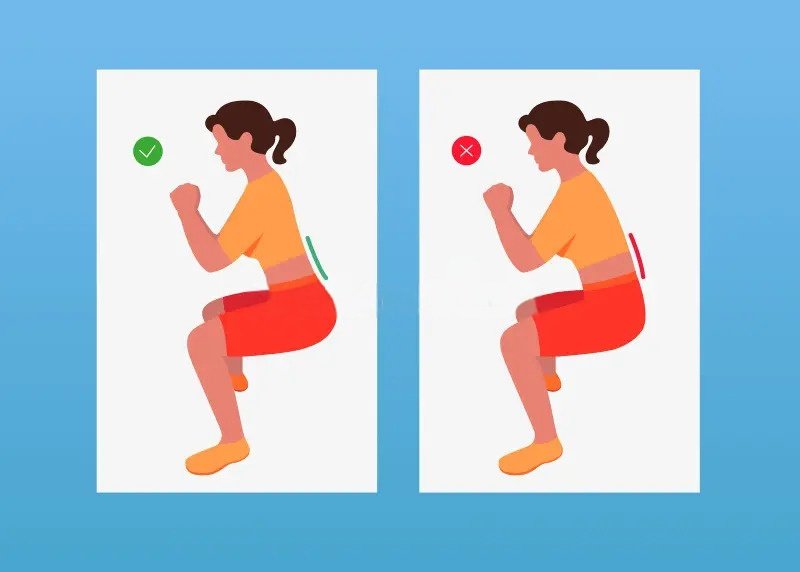
**Form is everything.** In the gym, proper technique isn't just about looking good; it's about **safety** and **effectiveness**. Rushing into complex exercises like deadlifts, squats, or overhead presses with incorrect technique can lead to serious injuries to your spine, knees, shoulders, and other joints. Beginners often mimic what they see online or try to lift too heavy too soon without understanding the underlying biomechanics.
Poor form means you're not targeting the intended muscles effectively, which reduces your results, and you're placing undue stress on joints and ligaments. This significantly increases your risk of injury, which can set your progress back for weeks or even months.
**Study spotlight:** A 2021 analysis of gym injuries published in Sports Health found that a staggering 67% of gym-related injuries stemmed from form-related errors or improper exercise execution, not solely the amount of weight lifted.
“I copied a YouTube lifter's deadlift without truly understanding proper form or starting light. Two weeks in, I developed excruciating lower back pain that sidelined me for a month. I had to relearn everything from scratch with a focus on technique first.” – Lisa B., Dedicated Fit Tigers user, sharing a common beginner pitfall.
**How to fix your form (Your **Fit Tigers** Form Checklist):**
- Watch Expert Tutorials: Seek out high-quality tutorials from certified coaches (like those on the **Fit Tigers exercises videos**). Focus on exercises relevant to your program.
- Film Yourself: Use your phone to record your sets from different angles. Review alignment, posture, and movement patterns afterward. This is one of the fastest ways to self-correct.
- Start with Bodyweight or Light Resistance: Before adding significant weight, master the movement pattern with just your body weight, a PVC pipe, or very light dumbbells.
- Book a Form Check: If possible, invest in a session or two with a certified personal trainer. They can provide immediate, personalized feedback on your technique.
The enthusiasm of new lifters is fantastic, but it often translates into trying to train every single day or maxing out lifts far too early. While effort is admirable, your body needs adequate time to recover and adapt to new stimuli. **Overtraining** is a common mistake that leads to chronic soreness, mental fatigue, burnout, and ultimately, giving up.
Progress in fitness happens not just in the gym, but also *outside* of it, during recovery. Muscles grow and strengthen when they repair themselves after being challenged. Without sufficient rest, you hinder this process.
**Real data:** A 2019 study in the Journal of Sports Medicine found that beginners who trained 3–4 times per week demonstrated better long-term adherence to their routines and comparable or superior results compared to those attempting 6+ days per week.
“When I first started, I tried a six-day split with cardio every single day. I was constantly exhausted, always hungry, and unbelievably irritable. My progress stalled, and I almost quit. Now I follow a three-day full-body plan from the Fit Tigers Workout Planner and feel amazing, seeing consistent gains.” – Kareem T., Fit Tigers Member.
**Fit Tigers Recommendation for beginners:**
- Start with 3x/week Full-Body Workouts: This frequency allows for adequate recovery while providing sufficient stimulus for growth.
- Rest at Least 48 Hours: Ensure at least 48 hours of rest for major muscle groups between intense strength sessions.
- Increase Gradually (The 10% Rule): Avoid drastic jumps in weight or volume. A general guideline is to increase your total weekly volume or weight by no more than 10% week-to-week.
- Listen to Your Body: Pay attention to persistent fatigue, joint pain, or prolonged soreness – these are signs you might need more rest.
You can train harder than anyone in the gym, but if your nutrition isn't dialed in, your results will be severely limited. Training without fueling properly is like trying to drive a high-performance car on an empty tank – you won't get far. Beginners often under-eat protein, overeat refined sugars and unhealthy fats, or skip meals entirely, unknowingly sabotaging their efforts.
**Food is fuel for recovery, muscle growth, and performance.** Your body needs adequate protein to repair and build muscle, sufficient carbohydrates for energy to perform workouts, and healthy fats for hormone production and overall health.
**Scientific insight:** A meta-review by the International Society of Sports Nutrition (ISSN) strongly advocates that active individuals, especially those looking to build muscle or lose fat, should consume 1.6–2.2g of protein per kilogram of bodyweight daily for optimal muscle protein synthesis and recovery.
“I was training hard but wasn’t seeing much progress. Turns out I wasn’t eating nearly enough after training, especially protein. Once I added a dedicated protein source and some post-workout carbs, my strength and recovery skyrocketed. It was like magic!” – Julia V., Experienced Fit Tigers Member, emphasizing the crucial role of nutrition.
**Fit Tigers Tips for beginner nutrition:**
- Prioritize Protein: Aim for a high-quality protein source (lean meats, poultry, fish, eggs, dairy, legumes, tofu) with every meal.
- Post-Workout Fuel: Consume a meal or shake rich in protein and carbohydrates within 60-90 minutes after your workout to kickstart recovery.
- Stay Hydrated: Drink plenty of water throughout the day. Aim for 2–3 liters (68-100 oz) daily, more if you're active. Sometimes thirst is mistaken for hunger.
- Track Your Intake: Initially, use tools like the **Fit Tigers Calorie Calculator** or a food tracking app to understand your macro and calorie intake.
- Focus on Whole Foods: Emphasize fruits, vegetables, whole grains, lean proteins, and healthy fats, limiting processed foods.
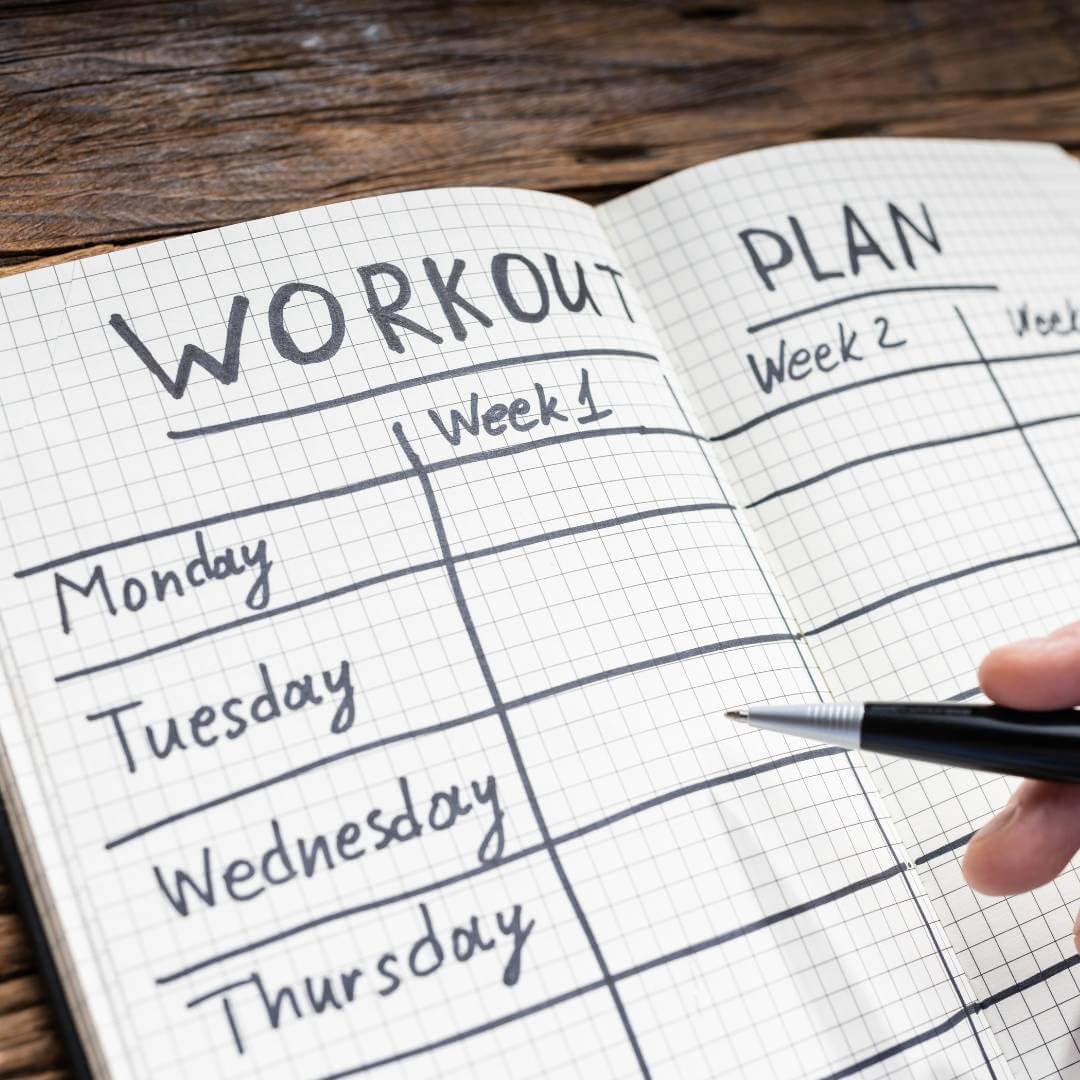
Wandering into the gym without a clear workout plan is a recipe for stalled progress and demotivation. Randomly selecting exercises or machines from day to day makes it impossible to track your performance, apply progressive overload (the key to muscle growth), or stay consistent with your goals. Without structure, it’s easy to hit plateaus quickly and lose motivation.
**Progress requires structure.** A well-designed workout program ensures you're consistently challenging your muscles, working all major muscle groups, and progressing over time. It gives you a roadmap to follow, removes guesswork, and allows you to celebrate tangible improvements.
**Fact:** A 2020 fitness behavior study published in ACSM's Health & Fitness Journal showed that individuals who followed written, structured exercise programs adhered to their routines approximately 62% longer than those who improvised their workouts.
“Before joining Fit Tigers, I just went to the gym and did whatever I felt like. I saw no real gains. Once I started using the Fit Tigers Workout Planner and logging my sets and reps, I stopped wasting time, became so much more efficient, and finally saw consistent, real gains. It made all the difference!” – Anthony C., Dedicated Fit Tigers Member.
**How to take action (Your **Fit Tigers** Planning Guide):**
- Use a Structured Program: Start with a beginner-friendly full-body workout program. The **Fit Tigers Workout Planner** provides guided programs designed for all levels.
- Log Your Workouts: Keep a record of your sets, reps, and the weight lifted for each exercise. This helps you track progress and apply progressive overload.
- Set SMART Goals: Define **S**pecific, **M**easurable, **A**chievable, **R**elevant, and **T**ime-bound goals for your training. This gives you clear targets to work towards.
- Be Patient & Consistent: Remember, progress is a marathon, not a sprint. Stick to your plan consistently, and results will follow.
Every expert was once a beginner, and making mistakes is part of the learning process. However, by actively avoiding these five common pitfalls, you can save yourself months of frustration, prevent unnecessary injuries, and significantly fast-track your success in the gym.
Remember these core principles: **consistency beats intensity**. Start slow, prioritize proper form, train smart, and fuel your body right. The journey to a stronger, healthier you is a marathon, not a sprint. And when in doubt, lean on the extensive resources and supportive community at **Fit Tigers**—we're here to help you every step of the way!