

Fat loss isn’t magic. It’s biology. Yet the internet is overflowing with contradictory advice: "Cut carbs!", "Don’t eat after 6 PM!", "Starve yourself for fast results!" This constant barrage of misinformation can leave you confused, frustrated, and stalled on your fitness journey. In this comprehensive guide, **Fit Tigers** debunks the most common fat loss myths and explains what truly works—based on real-world success stories and solid scientific research.
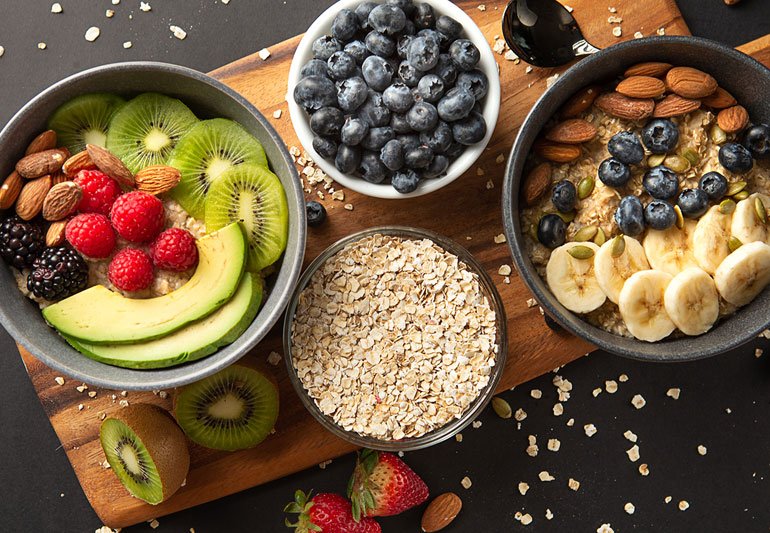
The truth: Carbs themselves do not cause fat gain. This is one of the most persistent and damaging myths in the fitness world. Overeating calories—regardless of whether they come from carbs, fat, or protein—is what actually causes weight gain.
Carbohydrates are your body's preferred and most efficient energy source, fueling your brain, muscles, and daily activities. Many of the world’s leanest and healthiest populations, from Asian cultures to Mediterranean diets, consume staples like rice, oats, and fruits daily. The issue isn't carbs; it's often excessive portion sizes of refined, highly processed carbohydrates coupled with a caloric surplus.
“I was terrified of carbs until I reintroduced oats, brown rice, and bananas during my calorie deficit. My energy levels dramatically improved, my workouts got stronger, and my fat still dropped consistently. It was a game-changer.” – Marissa, Dedicated Fit Tigers User
Backed by science: A 2012 randomized control trial published in the New England Journal of Medicine famously found no significant difference in fat loss between low-carb and low-fat diets when total daily calories were equal. This underscores that the **calorie deficit** is king, not the macronutrient composition.
The truth: Fat loss absolutely requires a **calorie deficit**, but this is distinctly different from starvation. Severe, aggressive calorie restriction often backfires, leading to a host of negative consequences:
- **Increased Cravings & Bingeing:** Extreme hunger is unsustainable and frequently leads to uncontrollable cravings and subsequent binge episodes, sabotaging progress.
- **Muscle Loss:** Your body, in a desperate attempt to conserve energy, will break down valuable muscle tissue for fuel, which is counterproductive for metabolism and strength.
- **Metabolic Damage (Adaptation):** While true "damage" is debated, your metabolism can adapt to very low calorie intake, making it harder to lose weight and easier to regain it.
- **Fatigue & Brain Fog:** Lack of adequate fuel severely impacts your energy levels, focus, and overall mood, making daily tasks feel like a monumental effort.
Instead of drastically cutting calories, aim for a **mild to moderate deficit (15–25%)** based on your maintenance needs. For example, if your maintenance is 2,400 kcal/day, aim for 1,900–2,000 kcal/day consistently. This approach yields steady, healthy fat loss (typically 0.5–1kg or 1-2 lbs per week) and is far more sustainable long-term. You can easily calculate your needs with the **Fit Tigers Weight Loss Calculator**.
“I dropped my calories too low and felt awful – constantly hungry, moody, and my workouts suffered. When I started listening to **Fit Tigers'** advice and added 300 calories back, focusing on whole foods, I ironically started losing weight again and felt amazing. Sustainable is truly better.” – Logan, Active Fit Tigers Forum Member
The truth: The idea that frequent small meals "stokes the metabolic fire" is largely a myth. **Meal timing** has little to no significant impact on fat loss, as long as your total daily calories and macronutrients are consistent. Your body doesn't care if you eat 3 large meals or 6 small ones; it cares about the total energy consumed over 24 hours.
Some people thrive on 3 square meals a day. Others find success with approaches like intermittent fasting (eating within a specific window), which might involve 2 larger meals. The key is **adherence and consistency**—finding an eating schedule that fits your lifestyle, appetite, and preferences, not rigidly following the clock.
“I used to stress constantly about eating on a strict schedule every few hours. Now I eat twice a day with a small snack in between and feel fantastic—I've lost 8 kg without obsessing over meal times. It’s so freeing!” – Dev, Valued Fit Tigers Member
Science Says: Numerous studies, including a meta-analysis in the Journal of the International Society of Sports Nutrition, have concluded that meal frequency does not significantly affect fat loss or metabolic rate in healthy individuals, provided caloric intake is matched.
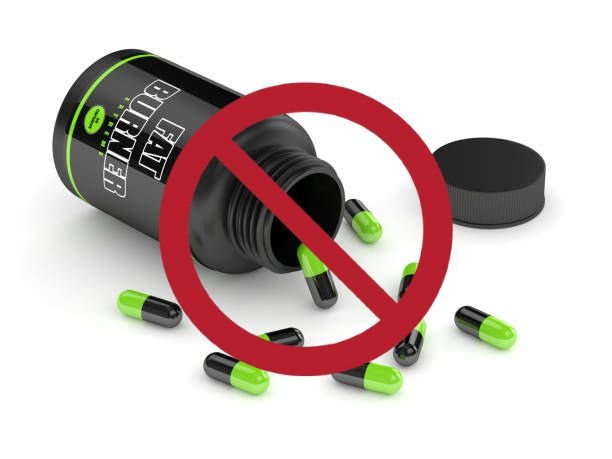
The truth: Most "fat burner" supplements are overpriced combinations of stimulants (like high doses of caffeine), dubious herbs, and unproven ingredients. While caffeine can slightly increase your metabolic rate (~3–5%), this effect is marginal and doesn't replace the fundamental need for a **calorie deficit** and consistent effort.
Warning: The supplement industry is poorly regulated in many regions. Many fat burners contain proprietary blends that don't disclose ingredient dosages, and some have been found to contain harmful or banned substances. Focus instead on the foundational pillars of fat loss: quality nutrition, adequate sleep, consistent exercise, and effective stress management. These are the true "magic pills" that **Fit Tigers** champions.
“I wasted $150 on a fat burner with zero results, just jitters. I finally saw real, sustainable weight loss by tracking my food diligently and adding daily walks. Best investment ever.” – Jules, Fit Tigers Member
The truth: This is a persistent and frustrating myth. You cannot pick and choose where your body burns fat. Performing hundreds of crunches will strengthen your abdominal muscles, but it will not specifically shrink the fat layer on your belly. Similarly, inner thigh exercises won't magically melt fat from that area.
Fat loss is a **systemic process** driven by your overall **calorie deficit** and influenced by your genetics. When you create a deficit, your body pulls energy from fat stores across your entire body. Where you lose fat first (and last) is largely determined by your individual genetic predispositions. While targeted exercises are excellent for building muscle and improving local strength, burning fat comes down to your overall lifestyle, including nutrition and activity, as a whole.
Focus on **full-body compound exercises** (like squats, deadlifts, presses) that burn more calories and build more overall muscle, along with consistent cardio. These will contribute to overall fat loss, and over time, you'll notice changes across your body.
To demonstrate that you can eat satisfying, delicious meals in a deficit, here’s a sample day providing around 1,900 calories with approximately 130g protein, focusing on high satiety and nutrient density:
-
Breakfast:
3 whole eggs scrambled with a cup of spinach, served with 1 slice of whole-grain toast and a side of half an avocado. Black coffee or tea.
-
Mid-Morning Snack:
1 cup (200g) plain, low-fat Greek yogurt with 1/2 cup mixed berries.
-
Lunch:
150g (approx 5 oz) grilled chicken breast, 1 cup cooked quinoa, and a large serving of steamed broccoli or mixed greens with a light vinaigrette.
-
Mid-Afternoon Snack:
1 scoop protein powder mixed with water or unsweetened almond milk, served with one medium banana.
-
Dinner:
150g (approx 5 oz) baked salmon, 1 large sweet potato, and a generous portion of roasted mixed vegetables (e.g., asparagus, bell peppers, onions) with a drizzle of olive oil.
This plan prioritizes protein and fiber, ensuring high satiety. Remember, this is a sample. Adjust based on your personal calorie needs and preferences using the **Fit Tigers Calorie Calculator** and explore more options in our Healthy Recipes section.
Forget the fads, the magic pills, and the restrictive rules. Real, lasting fat loss comes from consistent, informed action—not fleeting extreme measures. Focus on the fundamentals:
- **Eat mostly whole, unprocessed foods.**
- **Prioritize protein at every meal.**
- **Create a moderate, sustainable calorie deficit.**
- **Track your intake (at least initially) to build awareness.**
- **Move your body regularly through strength training and cardio.**
- **Prioritize quality sleep and effective stress management.**
- **Stick to what’s sustainable** and genuinely enjoy the process of becoming a healthier, stronger you.
Fat loss is not a 4-week sprint—it’s a marathon of lifestyle change. Embrace patience and consistency, and the results will follow. Need more support or inspiration? Connect with the **Fit Tigers Community Forum** and explore our extensive Healthy Recipes section to stay motivated and well-fed on your journey.