

The term “calorie deficit” has become a buzzword in the world of fitness—and for good reason. It’s the only scientifically-proven way to lose body fat. But creating a deficit doesn’t mean suffering through hunger or cutting your meals to bird-sized portions. This article explores how to build a sustainable calorie deficit that fits your life and keeps you full, energized, and consistent. At **Fit Tigers**, we believe fat loss should empower you, not exhaust you. Explore our Body Fat Percentage Calculator if interested.
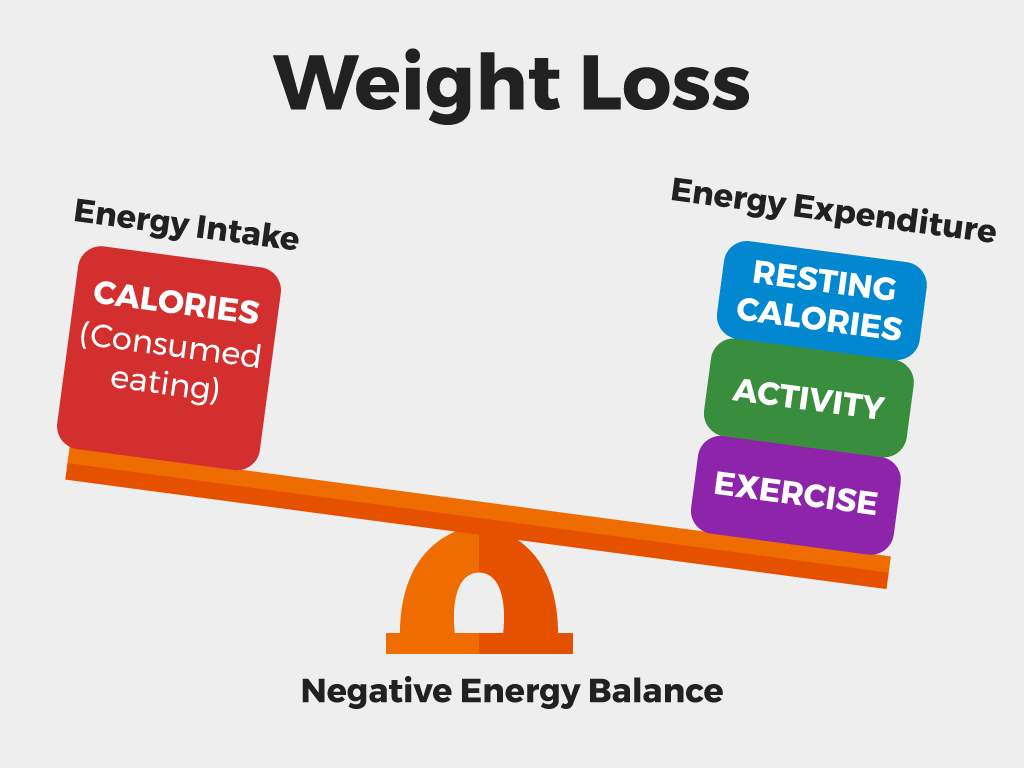
Simply put, a **calorie deficit** occurs when you consume fewer calories than your body burns in a day. This forces your body to tap into stored energy (fat) for fuel. The key is to make this deficit large enough to stimulate fat loss—but small enough to maintain performance, mood, and muscle mass.
“Fat loss is a marathon, not a sprint. A 300–500 daily deficit beats a 1,200-calorie crash diet every time.” – Katie R., Certified Nutritionist, Fit Tigers Advisor
Cutting calories too aggressively might seem like a fast track, but it inevitably leads to a host of detrimental problems that derail long-term success:
- **Muscle Loss & Slower Metabolism:** Your body starts breaking down muscle for energy, which slows your metabolism, making future fat loss even harder.
- **Intense Cravings & Binge Episodes:** Extreme hunger often triggers uncontrollable cravings, leading to cycles of restriction and overeating.
- **Fatigue, Irritability, & Brain Fog:** Lack of adequate fuel impacts your energy, mood, and cognitive function, making daily life challenging.
- **Hormonal Imbalances:** Especially in women, severe calorie restriction can disrupt crucial hormones, impacting reproductive health, thyroid function, and stress response.
Research from the American Journal of Clinical Nutrition consistently shows that ultra-low-calorie diets are associated with high dropout rates and rapid weight regain once the diet stops. Sustainable methods championed by **Fit Tigers** prioritize long-term health over quick fixes.
Here’s how to build a calorie deficit that's effective, enjoyable, and fits into your busy life:
-
1. Calculate Your Maintenance Calories:
Your first step is to know your baseline. Use the **Fit Tigers Weight Loss Calculator** to estimate how many calories your body burns each day based on your age, sex, weight, height, and activity level. This provides your starting point.
-
2. Create a Mild Deficit (15–25%):
Once you have your maintenance, subtract a modest percentage. For example, if your maintenance is 2,400 kcal, aim for 1,900–2,000 kcal per day (a 20-25% deficit). This approach typically yields steady, healthy fat loss of 0.5–1kg (1-2 lbs) per week, which is sustainable and minimizes muscle loss.
-
3. Prioritize Protein:
This is crucial for satiety and muscle preservation. Aim for 1.6–2.2g of protein per kg of body weight daily. Protein keeps you feeling full longer, requires more energy to digest (boosting your metabolism slightly), and helps protect your hard-earned muscle mass during fat loss.
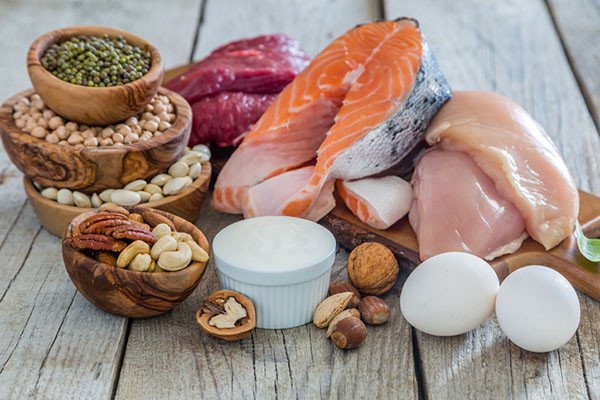
Protein-rich foods are fundamental for feeling full and preserving muscle during fat loss. -
4. Emphasize Volume Eating:
Fill your plate with foods that are high in fiber and water but low in calories. This allows you to eat larger portions without consuming excessive calories, promoting fullness.
- **Vegetables:** Leafy greens (spinach, kale), cruciferous veggies (broccoli, cauliflower), zucchini, cucumbers, mushrooms, bell peppers.
- **Lean Proteins:** Chicken breast, turkey, fish, egg whites, tofu, lentils, beans, Greek yogurt, cottage cheese.
- **Fruits:** Berries, apples, watermelon, cantaloupe, oranges.
-
5. Include Healthy Fats & Carbs (Smartly):
Don’t fear fat or carbs—they are essential! Just control your portions and choose wisely. Include healthy fats (avocados, nuts, seeds, olive oil) for hormone function and satiety. Opt for slow-digesting, complex carbohydrates (oats, brown rice, quinoa, sweet potatoes, whole-grain bread) for sustained energy and fiber.
-
6. Stay Hydrated:
Often, we mistake thirst for hunger signals. Before reaching for a snack, try drinking a large glass of water. Aim for 2–3 liters (68-100 oz) of water daily, more if you're active or in a warm climate. Water also aids metabolism and can help with satiety.
“I used to eat 1,200 calories and run daily—I was miserable and burnt out in 2 weeks. When I discovered Fit Tigers and switched to a protein-rich 1,900 calorie plan, incorporating strength training 3x/week, everything changed. I lost 10kg (22 lbs) in 4 months—and most importantly, I've kept it off for over a year now! It finally felt sustainable.”
– Emma J., Dedicated Fit Tigers Member
Emma’s story highlights the power of ditching restrictive diets for a balanced, sustainable approach that prioritizes satiety and muscle health, just as **Fit Tigers** advocates.
Beyond the basics of calorie deficit and nutrition, these strategies can significantly enhance your fat loss journey and long-term maintenance:
- **Meal Prep:** Planning and preparing your meals in advance eliminates guesswork, reduces impulse eating, and ensures you have healthy options readily available.
- **Intermittent Fasting (IF):** While not for everyone, for some, structuring eating windows can naturally help control calorie intake and manage appetite.
- **Mindful Eating:** Eat slowly, savor each bite, pay attention to hunger and fullness cues, and avoid distractions (like screens). This helps you recognize when you're truly satisfied.
- **Track Your Progress (Beyond the Scale):** Weekly weigh-ins are fine, but also track waist measurements, how your clothes fit, strength personal records (PRs) in your **Fit Tigers Workout Planner**, and energy levels. These provide a more holistic view of your progress.
- **Don’t Eliminate Foods You Love (Flexible Dieting):** Adopting an 80% whole foods, 20% treats approach allows for flexibility and prevents feelings of deprivation, making your plan sustainable indefinitely.
- **Prioritize Sleep:** Lack of sleep can disrupt hunger hormones (ghrelin and leptin), leading to increased appetite and cravings. Aim for 7-9 hours of quality sleep.
- **Manage Stress:** Chronic stress can lead to increased cortisol levels, which can promote fat storage, especially around the belly. Find healthy ways to manage stress.
You don’t need to suffer to lose fat. Starvation leads to burnout—sustainability leads to lasting results. Build a plan you enjoy. Prioritize protein. Eat real, nutrient-dense food. Move your body consistently. Prioritize good sleep and manage stress. Most importantly, stick with it, knowing that small, consistent actions lead to significant transformations.
With **Fit Tigers’** comprehensive Workout Planner, precise Calorie Calculator, and a wealth of delicious healthy recipes, you’ve got all the essential tools and guidance you need to succeed on your journey.